
Hey builders! Welcome to the 42nd edition of Ipê News.
🏘️ Community Updates
Ipê City Village 2026 brought 535 participants from 13 countries to Jurerê, Florianópolis, with 55 residents staying for the full build cycle. Three Hacker Houses ran alongside a sponsored residency with Artizen. Fifteen workshops and 24 projects on Demo Day closed out the month.
The Ipê team is evaluating each participant’s contributions from Ipê Village 2026 to allocate the second $IPE token distribution. The mechanism is Valocracy: governance weight from documented contribution.
After Village 2025, the first distribution covered the projects and assigned 23 members across 12 rarity levels using the Valocracy Framework and Rarity Calculator. The 2026 cycle in Florianópolis was larger, and the team is refining the formula to match. Check-ins, project submissions, and Demo Day entries feed directly into the scoring process. Active projects sit at app.ipe.city/projects.
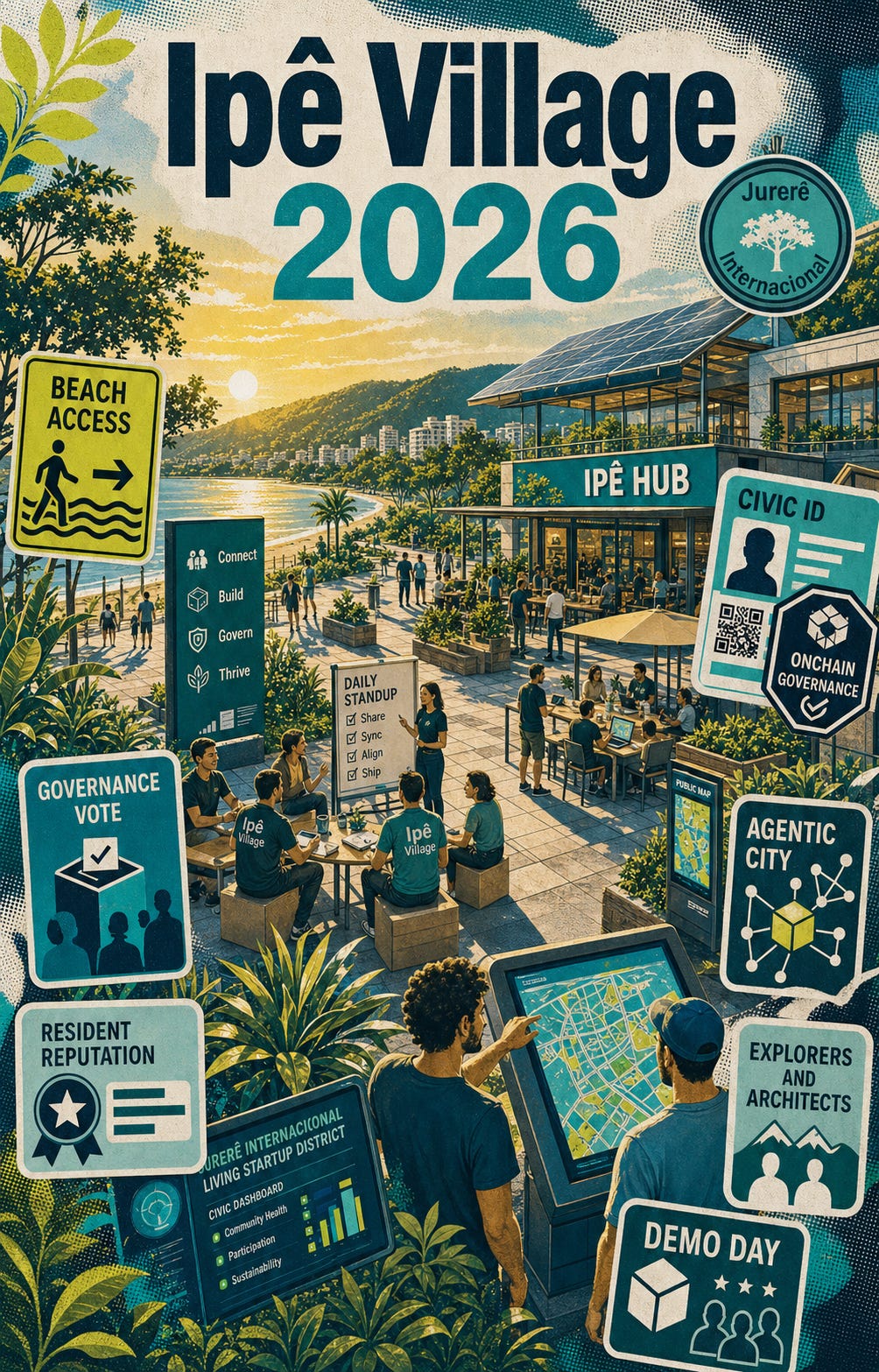
The Ipê community is preparing a pocket-sized booklet that synthesizes Village 2026: workshops, the people who participated, and the projects built across the month. Ipê Mind Tree collected the material in real time throughout the cycle.
The format pulls what was discussed, debated, and prototyped into one portable artifact. The booklet drops in the coming days. Watch for the link in the Ipê Telegram group.
🏫 Learning
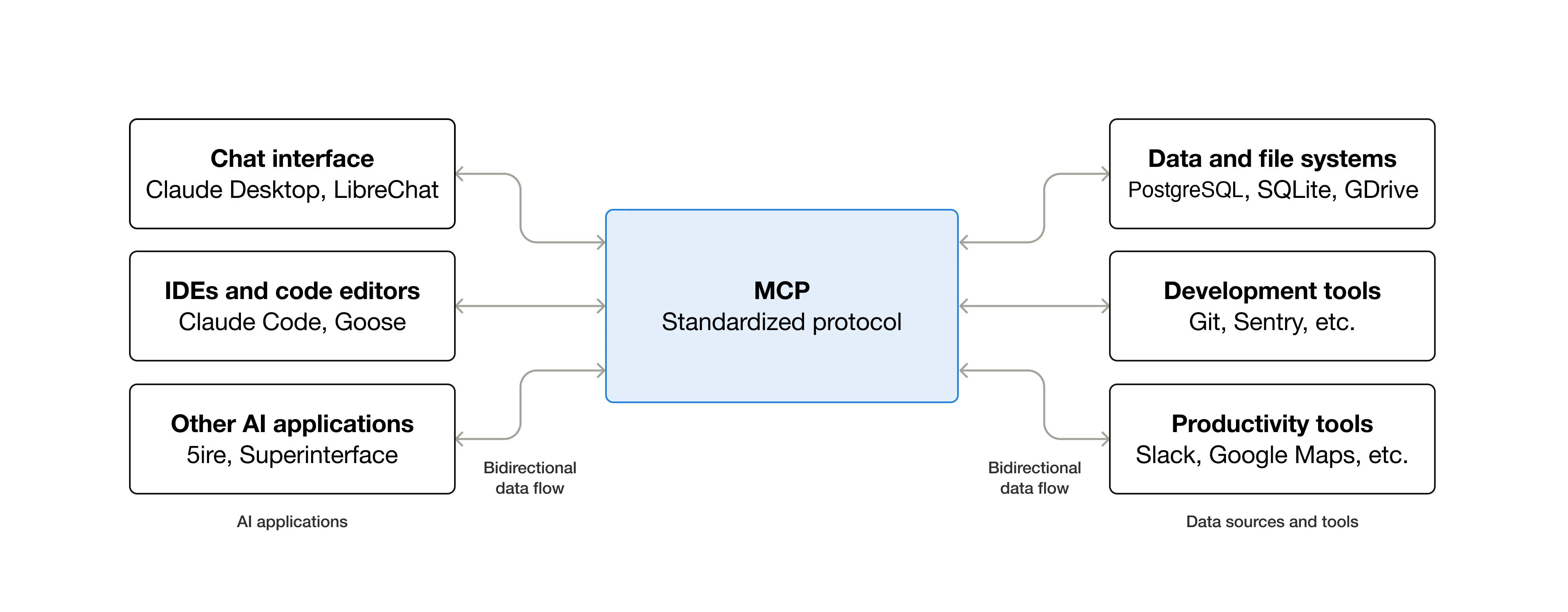
Every piece of software takes input, processes it, and returns output. For most of the AI era, language models stayed at that third step, generating text responses without acting on anything else on the machine. The Model Context Protocol extends that loop by letting agents call external tools like reading a calendar, sending emails, or triggering another algorithm. The AIs became more agentic.
An MCP server is the instruction manual for an application. It names each available tool, describes what it does, and specifies the inputs and outputs. When an agent queries a database, sends a message, or searches a file, it reads that manual and issues a standardized request. The model does not need access to the app’s code.
Before MCP, each model-to-tool link required a custom bridge. Anthropic open-sourced the protocol in November 2024. By June 2026, the TypeScript SDK logged 35.5 million weekly npm downloads, more than the OpenAI and Anthropic SDKs combined.
🌐 Network Societies Update
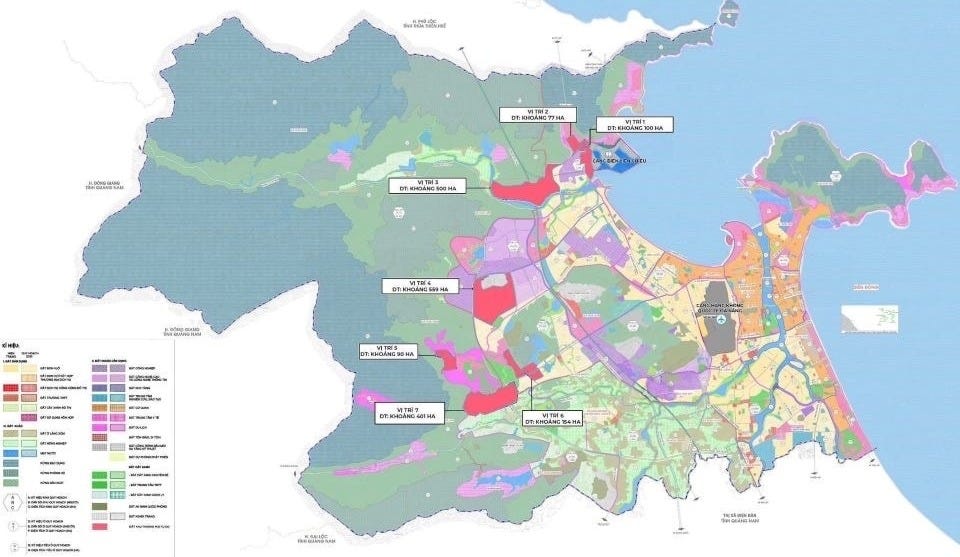
Free trade zones area bounded territory operating under distinct economic rules, competing for talent and capital through better governance. On June 13, Da Nang (Vietnam) issued investment certificates for FTZ zones 2, 3 and 4, covering 910 hectares backed by over $570 million.
What distinguishes Da Nang is its built-in architecture: AI, IoT, big data and digital customs embedded from day one, treating governance as software. The city anchors the East-West Economic Corridor linking the Indian Ocean to the South China Sea, with the Liên Chiểu deep-sea port under construction through Hateco Group and APM Terminals. The 2030–50 master plan targets $1.6 billion and 127,000 jobs by 2040.
🛠️ Parallel Institutions

Can Sponge Cities Save Us from the Coming Floods? #Parallel Urbanism
For decades, cities handled stormwater by catching it in pipes and moving it downstream as fast as possible. Landscape architect Kongjian Yu spent his career arguing that we should hold water on site and let terrain do the work.
Sponge cities absorb, store, and reuse stormwater through permeable pavement, green roofs, bioswales, wetlands, and restored waterways woven into dense urban fabric. China made the approach national policy in 2013, growing from 16 pilot cities to more than 640 sites. The 2030 target is to absorb 70% of rainfall from extreme weather events inside those cities.
UK Plans to Ban Social Media for Children Under 16 #Parallel Media
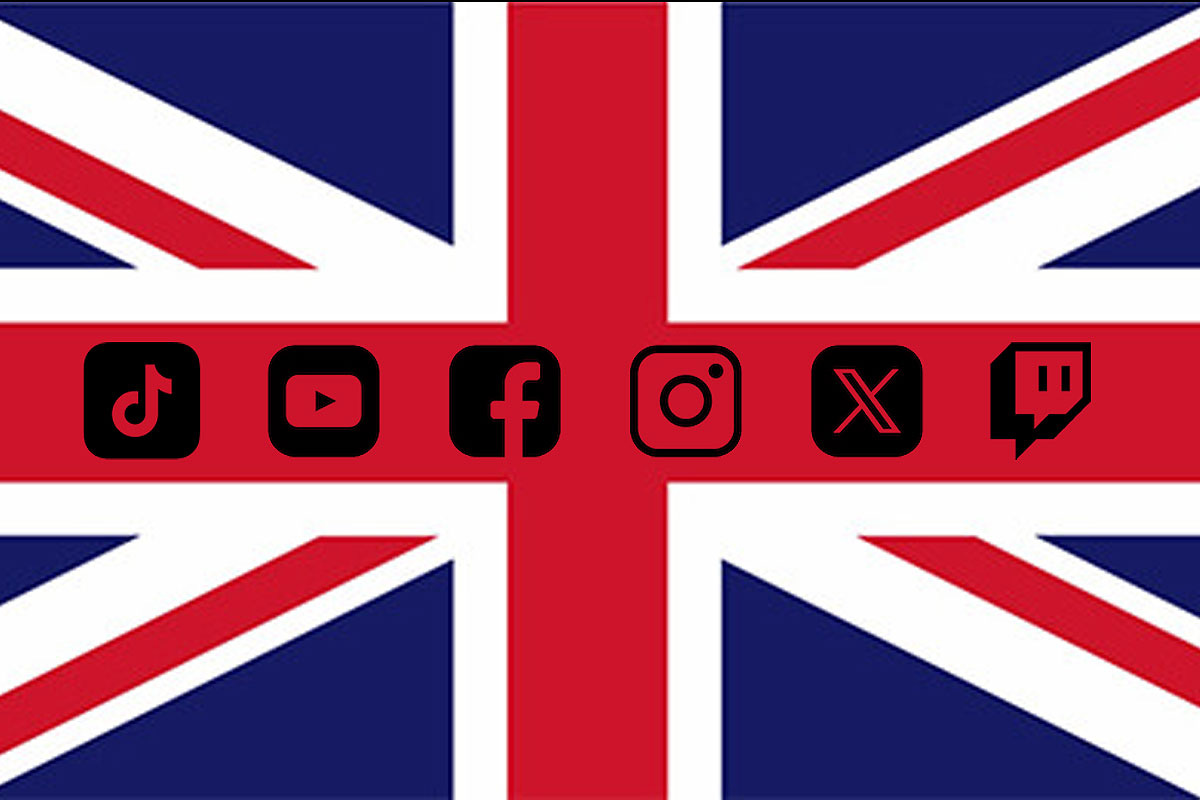
On June 15, Keir Starmer announced that the UK will ban social media platforms from offering services to under-16s. Snapchat, TikTok, YouTube, Instagram, Facebook, and X are in scope.
The package goes further than Australia’s ban, which took effect in December 2025. Beyond the social feed block, under-16s face restrictions on livestreaming and stranger contact, including in gaming. Romantic AI companion chatbots must enforce a minimum age of 18. The government will use Children’s Wellbeing and Schools Act powers, with first regulations possible in spring 2027.
The strongest case against a UK social media ban is that it is a blunt, hard-to-enforce policy that targets young people instead of the platforms’ harmful design incentives. Critics argue it could push teens into less regulated online spaces, create privacy risks through mandatory age checks, cut off useful communities and learning tools, weaken young people’s digital literacy, and let tech companies avoid deeper accountability. A better approach, they argue, is to regulate addictive features, recommender systems, data collection, age-appropriate design, and platform liability directly.
Ipê News #30 covered Brazil’s ECA Digital when similar age-assurance rules.
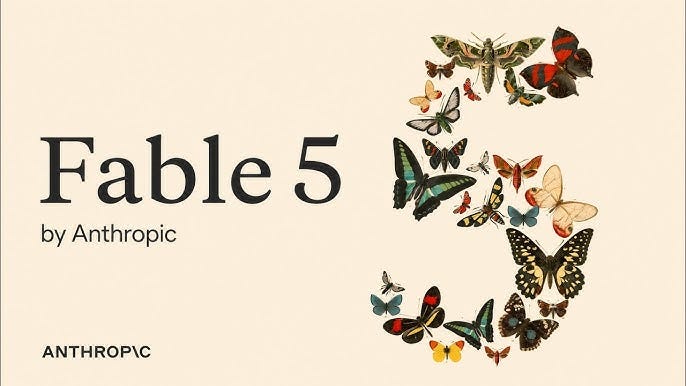
A U.S. government directive turned Fable 5 from a commercial release into a compliance problem three days after launch. On June 12, 2026, federal authorities ordered Anthropic to suspend access to Fable 5 and Mythos 5 for any foreign national, including foreign nationals inside the United States and at Anthropic itself. Anthropic said it could not geofence that population reliably and disabled both models for all customers worldwide.
The government’s letter cited a method of bypassing or jailbreaking Fable 5 but disclosed no national security specifics. Anthropic disagreed publicly, arguing a narrow potential jailbreak does not justify recalling a commercial model when the identified technique matches other available systems. Project Glasswing, a defensive cybersecurity program that used Mythos 5 for Mozilla vulnerability patching, was paused along with the models.
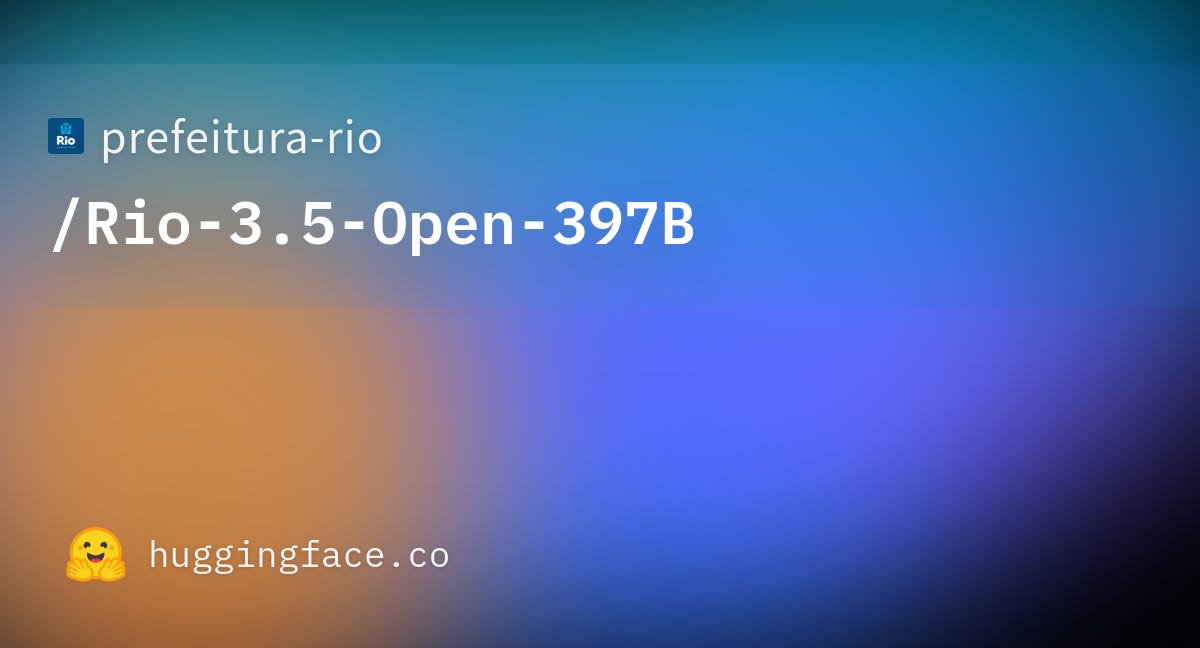
IplanRio, Rio de Janeiro’s municipal IT company, posted Rio 3.5 Open 397B to Hugging Face under an MIT license and called it a frontier AI model built by City Hall.Headlines claimed that “a Brazilian municipality had joined the same weight class as the frontier labs”.
Nex-AGI, a Chinese AI lab, inspected the published weights and found the seams. In a model merge, developers blend two existing neural networks rather than training a new one from scratch. IplanRio’s upload was largely that: Nex’s model mixed with Qwen, with a system prompt telling the AI “You are Rio.” Strip the prompt and the model introduces itself as Nex. IplanRio acknowledged the merge the same day, blamed an upload error, and promised a version built from actual training.
Countries building their own LLMs are reaching for technological sovereignty. The episode shows the distance between claiming it and actually training it.
🌍 Other Interesting News
Yichang, China tested a fully autonomous firefighting drone system in April 2026. Inspection and suppression drones launch from a mobile truck base with real-time aerial data. CIMC’s Weihang unit is developing the design for commercial rollout. The base moves with the crew instead of tying drones to a fixed station.
African developers are building on Qwen, DeepSeek, and Kimi for local languages Western models largely skip. Uganda’s Sunflower LLM covers 31 languages. Skillbridge runs in Ethiopia and Rwanda for education and exams. “We are not going to be part of that war,” one developer told Foreign Policy.
Malaysia’s Forest City, long cited as a ghost town, is on track for RM2 billion in investment this year through its Special Financial Zone in the Johor-Singapore corridor. The zone has fielded 260 inquiries across fintech, digital economy, and green technology.
MesoReefDAO is the first DAO dedicated to coral reef conservation, routing research funding outside conventional grant pipelines. Community votes govern milestone-based disbursements to scientists. $CRLAI connects biological research to active reef restoration in one shared layer.
💡 Join Ipê City Community
Follow the journey and join the community on Telegram.