

Hey builders! Welcome to the 52nd edition of Ipê News.
This week, solar-powered kiosks are connecting rural patients in Chad to doctors, a personalized mRNA cancer treatment passed two important Phase 3 tests, and community libraries in India are teaching practical computer skills. We also found Florida microschools, worker-owned factories in Spain and a new way to check AI-generated mathematics.
🏫 Learning
What are open weights, and how are they different from open-source AI?
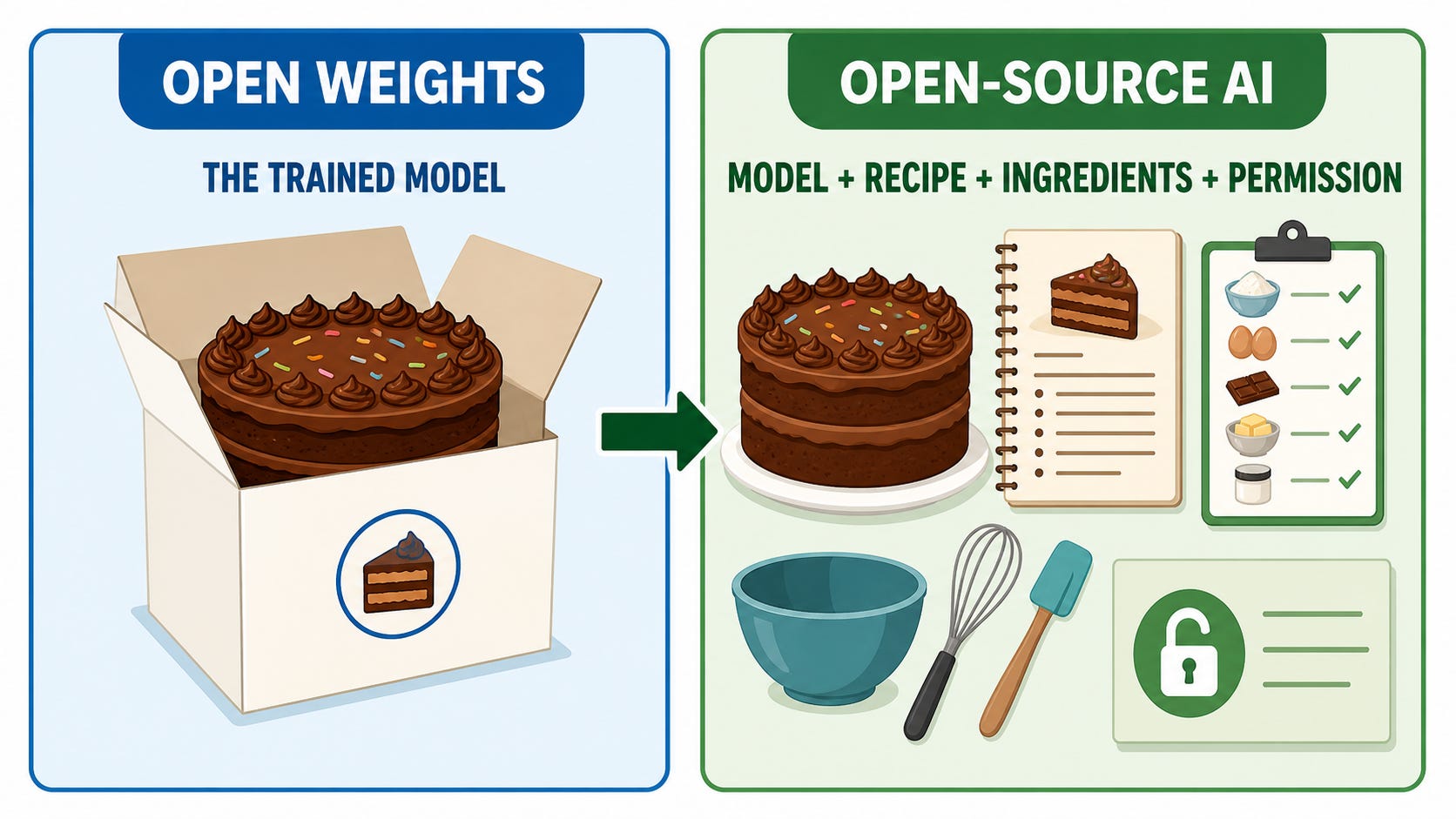
An AI model does not keep a book of answers. While it trains, it sees many examples and adjusts billions of tiny numbers. Each number makes a small difference to what the model notices and what it predicts next. One number means almost nothing on its own. Together, these numbers create the behavior the model learned. They are called weights.
Think of a cake. The weights are the finished cake. You can eat it, serve it and sometimes decorate it, but the cake alone does not tell you exactly how it was made.
When a developer releases the weights, people can download the trained model, run it on their own computers and adapt it. That is an open-weight model.
Open-source AI goes further. You get the model, the training code, useful information about the training data and permission to use, study, change and share the system. The simple test is: did I receive only the finished model, or enough of the recipe to understand and rebuild it?
🧬 Frontier Health
Solar kiosks are bringing doctors closer to patients in rural Chad
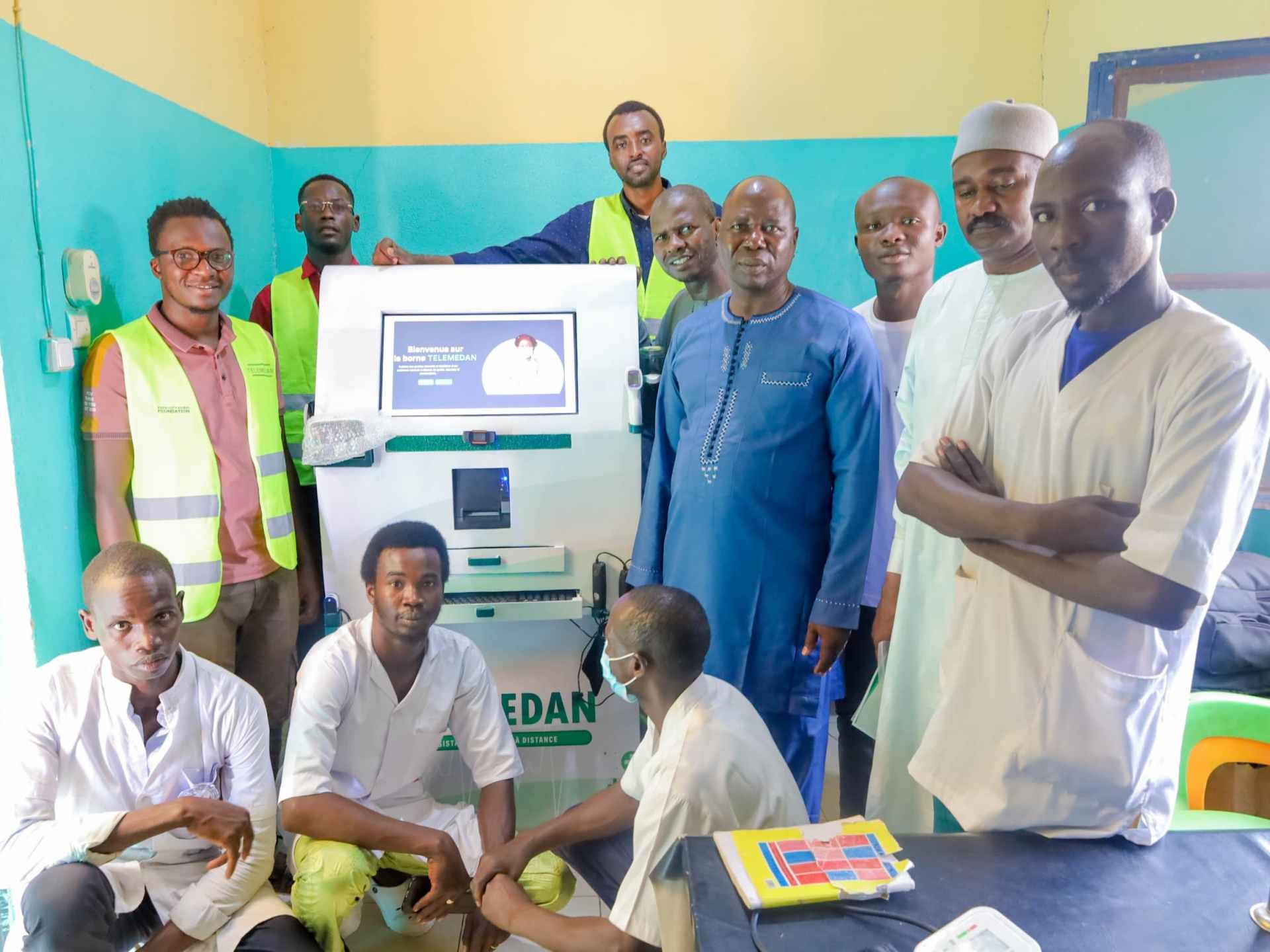
In rural Chad, in Central Africa, the nearest doctor can be hours away. Telemedan is putting small solar-powered clinics closer to villages. A local worker checks the patient with basic medical tools, a doctor joins by video, and the kiosk can print the prescription. It turns a long and expensive trip into a visit nearby.
The kiosks are designed for places with weak electricity and internet. Records stay on the machine when the connection drops and are sent later. Even a basic phone can book an appointment through the same kind of text menu used for mobile banking. The founder says 37 kiosks have served about 143,000 people, at $2 to $15 per visit.
A personalized mRNA cancer treatment passed two Phase 3 tests
Melanoma is a dangerous form of skin cancer. Surgery can remove the tumor we can see, but a few cancer cells may remain hidden and grow back later. Merck and Moderna are testing a personalized treatment designed to help each patient’s immune system find those leftover cells.
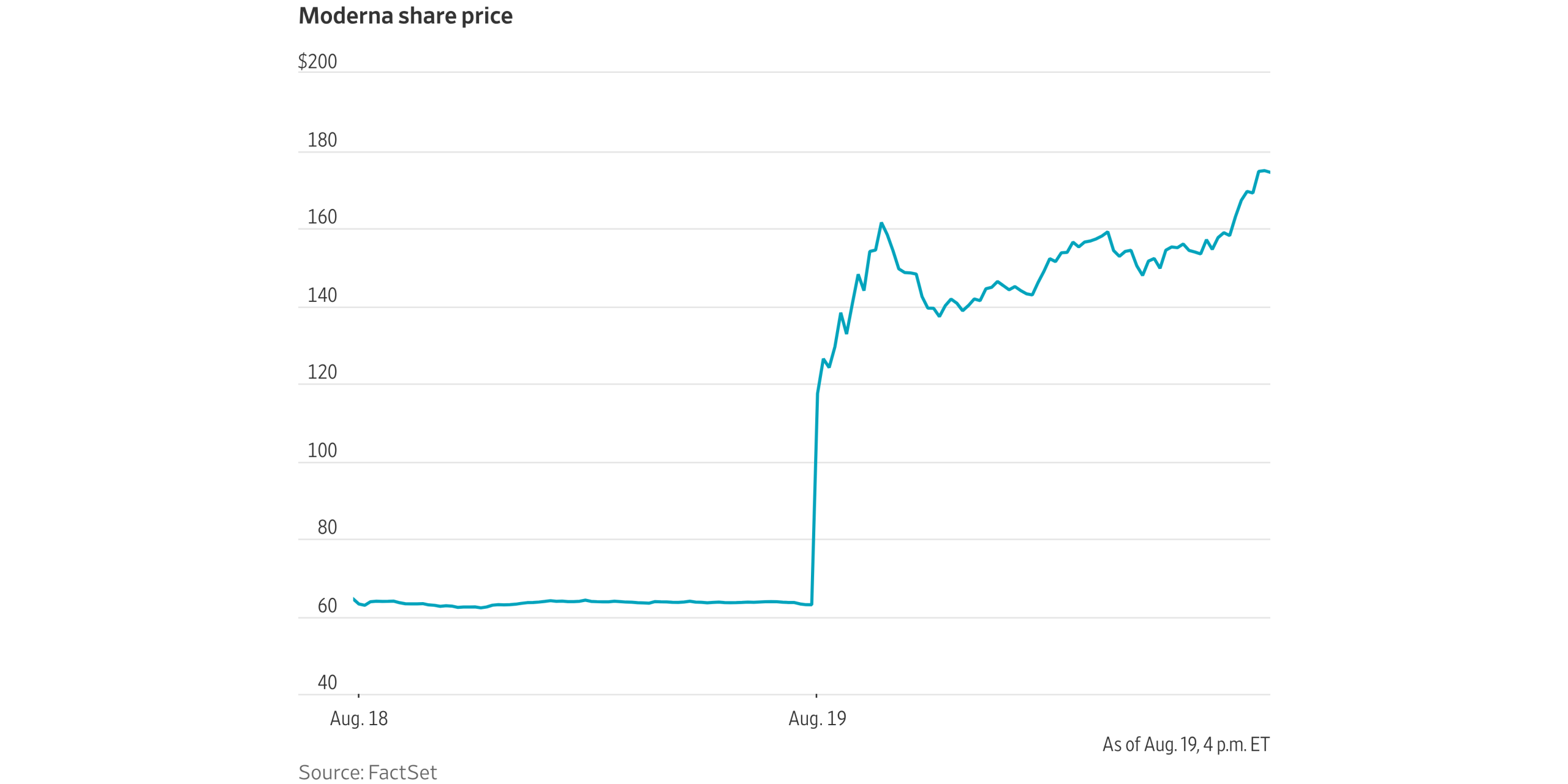
Doctors read the genetic changes in the removed tumor and choose up to 34 signals unique to that cancer. They put instructions for those signals into a custom mRNA shot and combine it with Keytruda, a medicine that helps the immune system attack. In a trial with 1,137 people, the combination kept the cancer away for longer and delayed its spread to distant organs. The companies have not yet said how large the benefit was or whether patients live longer, and the treatment is not approved. Even so, the announcement changed how investors valued Moderna: its shares closed up 177% in one day, from $62.96 to $174.38, as the market bet this could become a major business beyond Covid vaccines.
FDA approves first gene therapy for inherited deafness
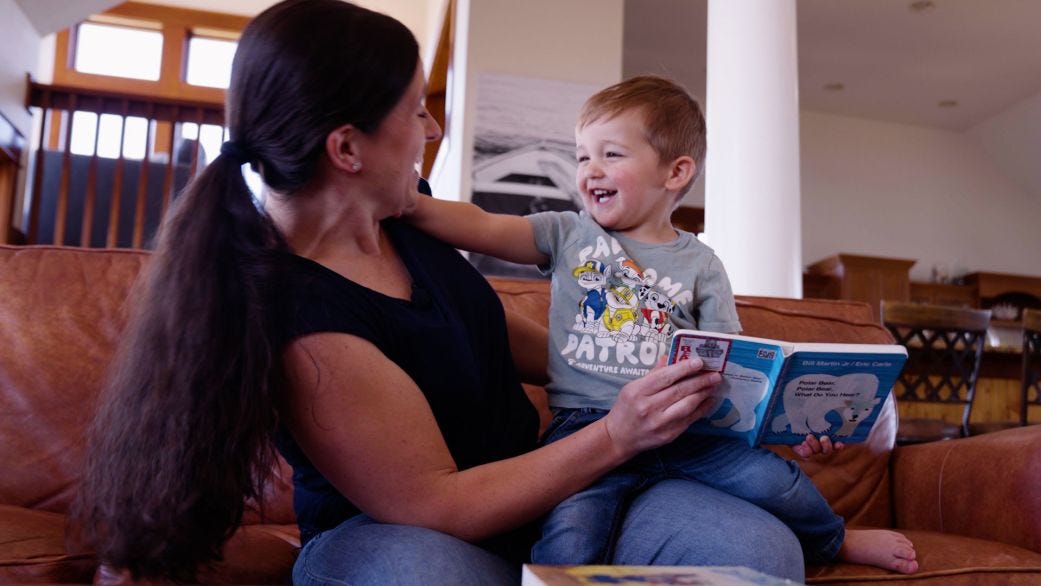
For us to hear, the inner ear must first detect a sound and then pass that message to the brain. In children born with a faulty OTOF gene, the ear can detect the sound but cannot send the message. A new treatment called Otarmeni delivers a working version of the gene into the inner ear in a one-time procedure.
In the study used by the US Food and Drug Administration, 16 of 20 children could hear better six months after treatment. Among those followed for longer, 42% reached normal hearing levels, including very soft sounds such as whispers. The agency approved the treatment early because the results were strong, but the company still has to show how long the improvement lasts and whether it leads to better speech and daily life. Children’s Wisconsin has now treated the first two US children outside the trial, but it has not yet reported their results.
🎓 Frontier Education
Five community libraries are teaching practical computer skills in Andhra Pradesh
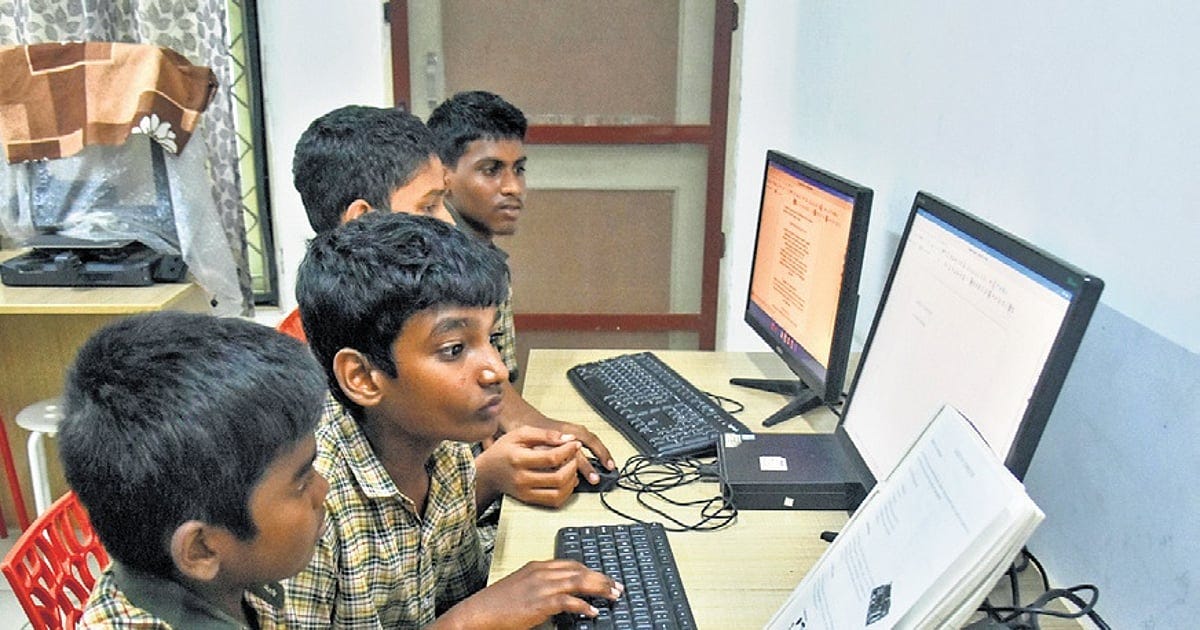
A room full of computers does not help much if it stays locked or nobody is there to teach. In Andhra Pradesh, five Community Digital Libraries put computers inside government schools, keep the spaces open to the public after class and provide local tutors. Students can start with the basics, then move into digital art, hands-on projects and free software.
The tutors first see what each student already knows and teach from there. Swecha, the group behind the libraries, says more than 500 volunteers have reached over 100,000 students through 200 projects, and a recent summer program included about 350 students.
What happened when Florida made school funding portable
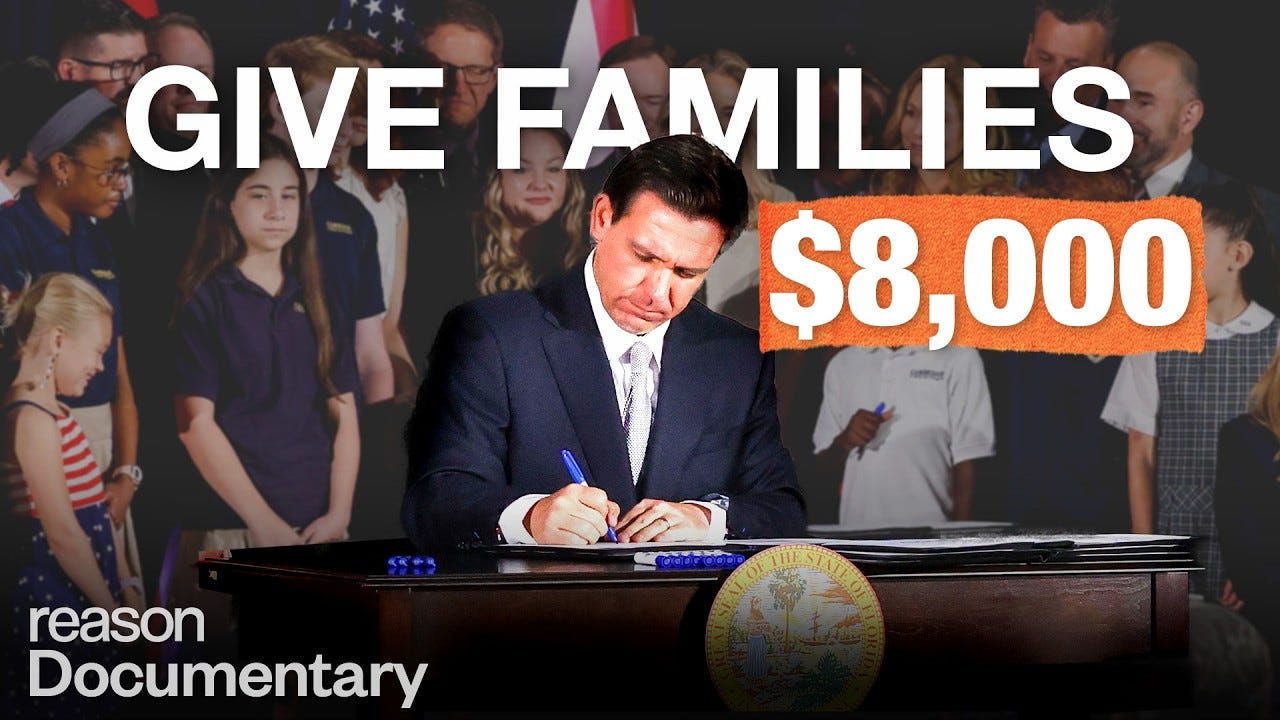
Florida now lets roughly $8,000 of public education money follow a child to a private school, homeschool program or microschool. A microschool is simply a very small independent school, often with mixed ages, flexible schedules and more room for students to work at their own pace. A ReasonTV documentary visits schools where children learn through gardens, cooking, art, drones and small-group lessons, including families who felt that a conventional classroom did not fit their child.
The freedom comes with a basic government problem: the state must know that the child exists, the school is real and the same expense was not billed twice. Florida previously lost track of about 30,000 students tied to roughly $270 million, although new monitoring sharply reduced suspected double billing. The film is a close look at how the policy works, not proof that microschools produce better results. It shows both sides of the experiment: families can try very different schools, and the payment system needs clean records and comparable information.
🛡️ Frontier Security
A $22.3 million system will watch for drones around Middle Eastern energy sites

An unnamed energy company in the Persian Gulf is spending about $22.3 million on a private warning network for its oil and gas sites. PowerUS, the US drone and radar maker building it, says sensors around the facilities will detect a flying object, keep following it and try to identify what kind of drone it is. The information then goes to one control room, giving operators a single view of the airspace. The purchase comes as Gulf energy companies add their own defenses after drone attacks during the war with Iran.
The agreement covers the equipment, software, site activation, installation and two years of maintenance. The first version is only an early-warning system: it can spot and classify a drone, but it cannot stop one. PowerUS says its Guardian interceptor could be connected later. The company has not named the customer, country, sites or rollout schedule.
🏛️ Frontier Governance
Mondragon shows how worker ownership can operate at industrial scale
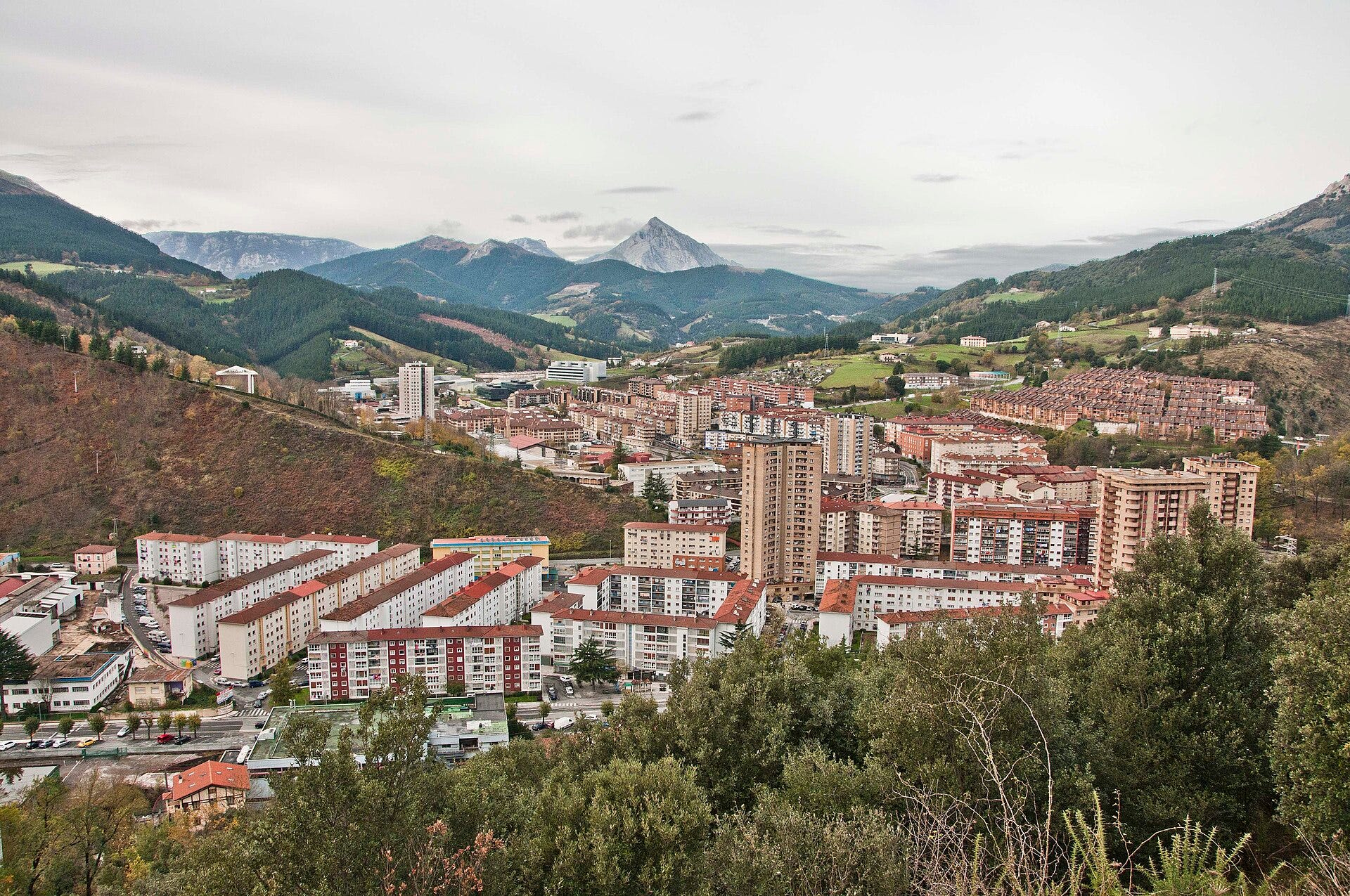
Most large companies are owned by outside investors. Based in the Basque Country of northern Spain, Mondragon is different: it is a network of 92 businesses owned largely by the people who work in them. More than 70,000 people make appliances, run shops, teach at a university and operate other businesses inside the network. Worker-members get one vote each, elect their leaders and share in the profits.
The system also spreads risk. Most cooperatives limit the highest salary to about six times the lowest, put money into shared funds and try to move members to another job when one business fails. The network recently reported €11.3 billion in sales and €618 million in profit, so this is worker ownership at real industrial scale. But it is not equal for everyone: only about 30,000 workers are full members, joining can cost up to €17,000, and many workers outside Spain cannot become owners.
🏗️ Frontier Infrastructure
Solar and batteries helped Texas meet a record electricity peak
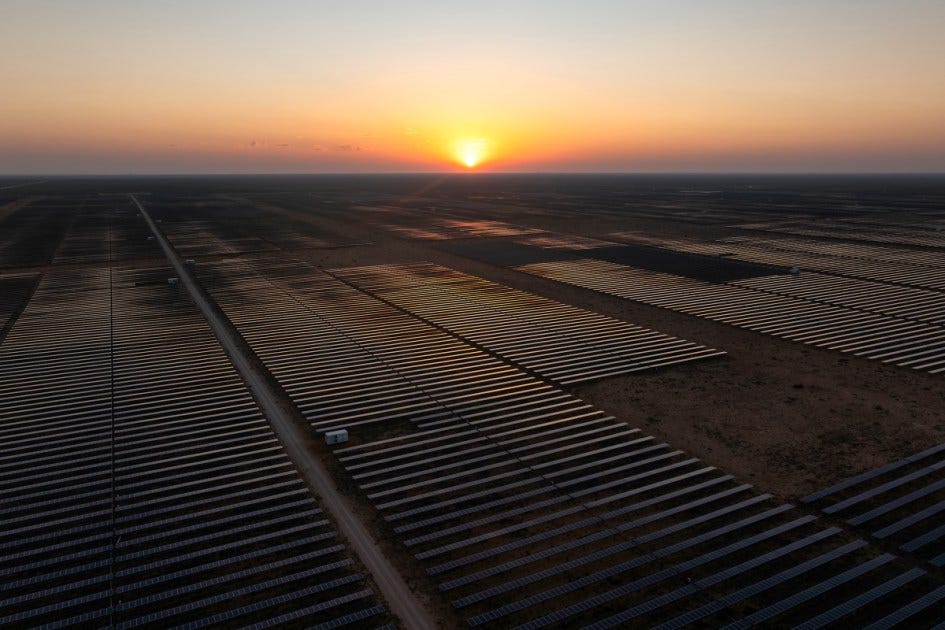
Texas just passed a useful stress test. On its hottest, busiest day, homes and businesses used a record 91,308 megawatts of electricity. Solar farms supplied a large share during the afternoon. Batteries charged when sunshine made power abundant, then sent electricity back to the grid as the sun went down. The state met the record without asking people to conserve, and still had more than 20,000 megawatts ready in reserve.
Solar had recently reached 34,700 megawatts and batteries 11,980 megawatts, both records. But electricity demand could nearly double within six years as data centers, factories and the population grow. The difficult period has moved into the evening, when solar stops and batteries begin to empty. Texas will need much more storage plus power that can run after sunset, whether from wind, gas or other dependable sources. One good day shows that the combination worked, not that the grid is finished.
⚖️ Frontier Policy
A rule meant to protect US robotics is stranding US robot startups
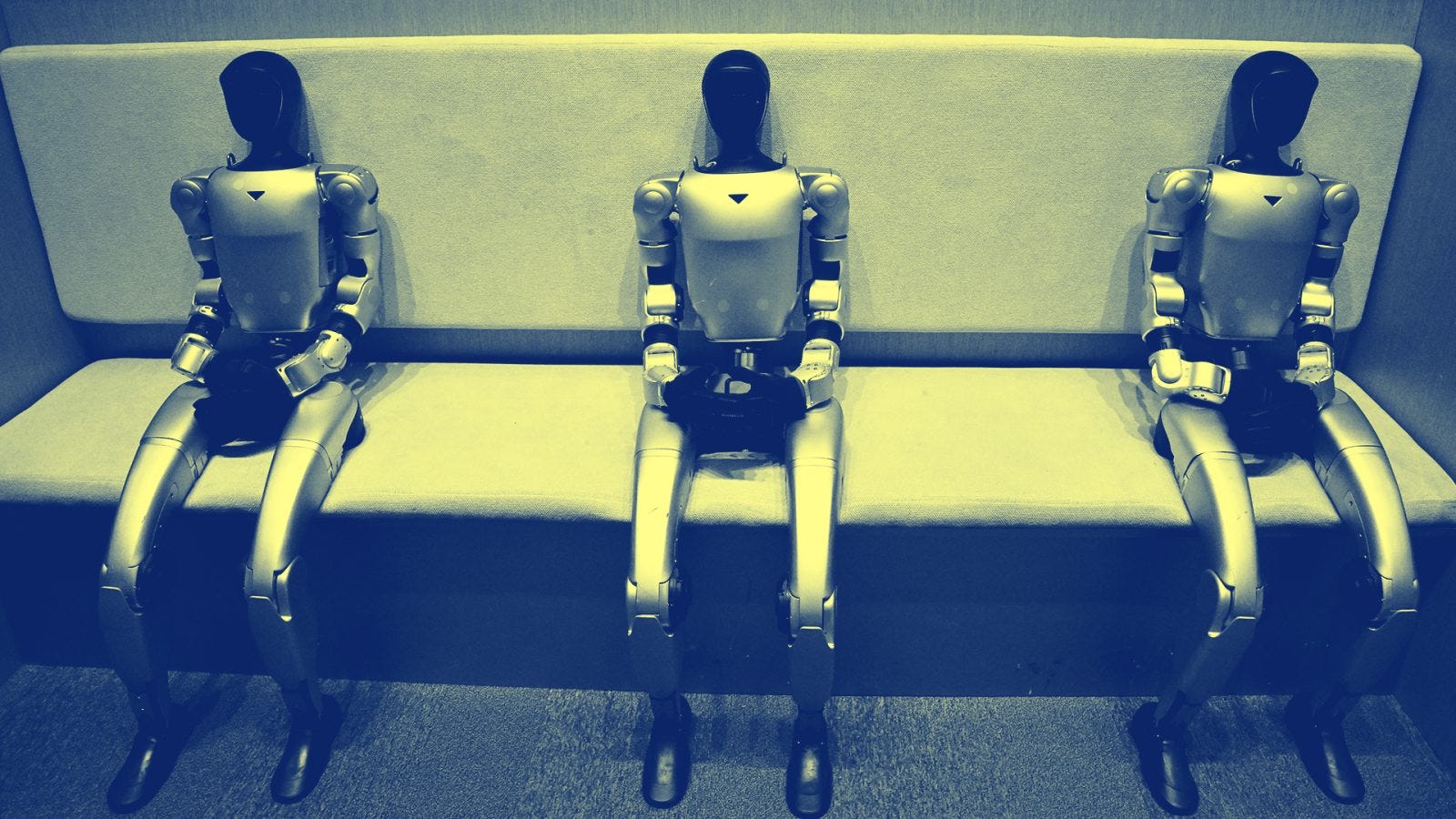
The United States wants to avoid depending on China for the machines that may soon work in homes, warehouses and factories. A new rule says a foreign robot model can be sold in the country only if it is assembled there and 65% of the value of its parts is American. The rule covers humanoid robots, four-legged machines, robot vacuums and lawn mowers. Models already on sale and robots imported for research are exempt.
The goal is to create a safer domestic supply chain. The immediate problem is that many American startups still buy motors, sensors and electronics from China because US versions are unavailable or far more expensive. China also lets a team turn a sketch into a prototype very quickly. The rule may encourage local factories over time, but right now it asks startups to use a supply chain that barely exists. That could slow down the same US robot companies the policy is meant to protect.
✨ Worth taking a look
Claude designed protein binders that worked in the laboratory
A protein binder is a tiny molecule made to attach to one specific target, like a custom piece of Velcro. Claude helped design 1,320 candidates, and outside laboratories confirmed that 354 worked across 14 of 15 targets. That is an impressive design result, but these are early research tools, not medicines ready for patients.
Palomar is a registry for computer-checked mathematics
Lean is software that checks every logical step in a mathematical proof, almost like an extremely strict referee. Palomar stores the exact proof file and verifies that it really proves the stated claim without hidden shortcuts. Proofs can come from humans, AI or both. A listing means the proof checks out, not that the discovery is new or important.
(Watch) Tomas Pueyo is pitching a “White Mirror” television series
What would optimistic science fiction look like if entrepreneurs, not dystopian governments, drove the plot? Tomas Pueyo made a trailer in five weeks about builders in 2050 escaping regulatory paralysis to start in a new jurisdiction. The project is also a candid case study of where AI helped with writing and production, and where human judgment was still needed.
Eight patrons put $8 million behind an open, AI-native Linux desktop
Omarchy is a ready-to-use Linux desktop built for people who prefer the keyboard and want to reshape their own computer. It also treats AI agents as real tools inside the system, able to work with files, commands and source code instead of living inside one closed app. Eight patrons have now put $8 million into a foundation that will fund Omarchy and the open-source projects underneath it. In DHH’s videos and X announcement, the larger idea is simple: when the operating system is open, users and agents can inspect and change it. That freedom is powerful, but useful agents still need careful permissions because they can act on the whole computer.
How Thailand resisted colonization
Thailand was the only Southeast Asian country to avoid formal European colonization. This long history explains how Siam’s rulers combined diplomacy, government reform, selective concessions and careful image-making. They could not simply defeat the empires around them, so they made the country more useful as an independent buffer than as another colony.
🗓️ Events
The smarter E South America · August 25–27 · São Paulo · Solar power, energy storage, electric mobility and green hydrogen at Expo Center Norte.
AI Tinkerers São Paulo · August 27, 18:30–22:00 · São Paulo · Live technical demos for people building with AI. Application required.
EAG Global Buildathon · August 29, 08:00–18:30 · Florianópolis · Build Ethereum applications for AI agents, private AI, user-owned data, creator rights, stablecoins and public goods at UFSC. Host approval required.
Space Mining Challenge Brasil · September 11–13 · Online · Teams will use NASA data and AI to make decisions with limited information.
Techstars Startup Weekend Garopaba: Smart Cities · September 18–20 · Garopaba · A 54-hour weekend for building and pitching solutions for mobility, tourism, sustainability and urban life.
💡 Join Ipê City Community
Follow the journey and join the community on Telegram.