

Hey builders! Welcome to the 56th edition of Ipê News.
This week, a brain implant helps a father join conversations again, Singapore tests earthmoving machines that work from assigned tasks, and Nigeria puts a 180-day roadmap behind its digital free-zone plan. Plus, AI-shaped home learning, a voice tutor for teens, and schools built with homes and solar power.
🌳 Community Updates
Join us Saturday for our Online Meetup to make privacy practical
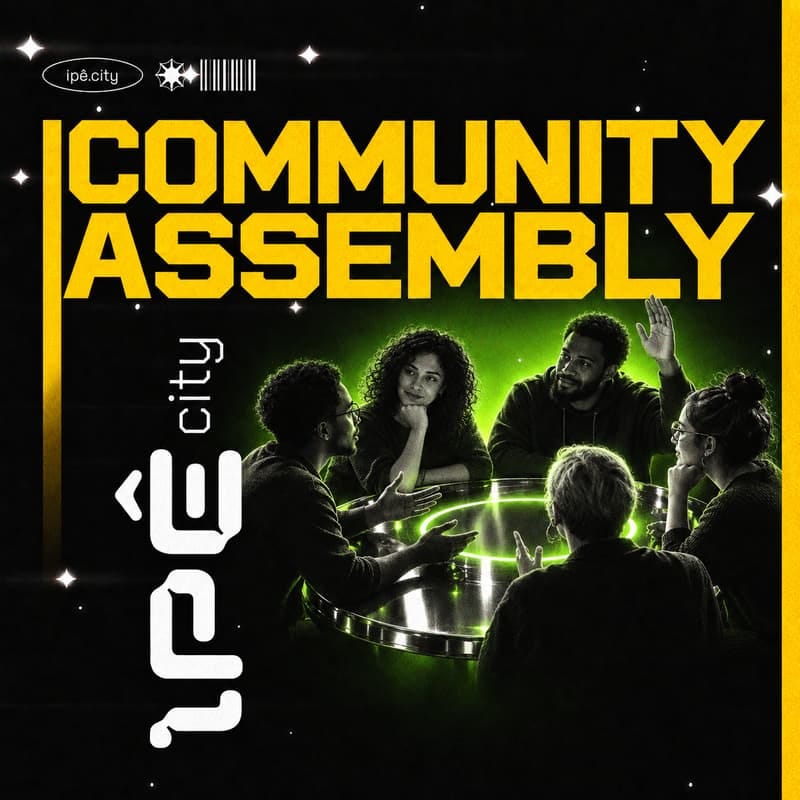
Our next Ipê Community Assembly is online Saturday, September 26, from 11 a.m. to noon BRT. Andre Froes and Michael from Zcash Brasil will cover practical ways to protect your accounts, conversations and browsing, then look at what Zcash’s shielded payments change about who can see your transactions. Bring your questions. There’s also time to swap tools and ideas with builders, plus a Portuguese-language circle if you’d rather discuss it in PT-BR. No technical background needed.
🏫 Learning
What is a prediction market, and when is it useful?
Say your team plans to launch a product by June 30. People across engineering, design and sales each see different risks. A prediction market lets them put money or points behind one clear question: “Will we launch by then?”
In a money-based market, a yes share pays $1 if the answer is yes and nothing if it’s no. If it trades for 60 cents, the market is roughly saying there’s a 60% chance of an on-time launch. The price moves as people learn more.
That’s useful when information is scattered. If the odds fall, the team might prepare a backup date or a smaller first release. The market won’t make the decision for them; it gives them a live forecast to weigh alongside what people say in meetings.
It only works if the question has a clear way to settle and enough people are trading. Before taking a price seriously, check exactly what counts as a launch, when the result is decided and whether the market is active. If only a few people trade, the price can look more precise than it is.
🏙️ Frontier Societies
Nigeria gives its digital free-zone plan a 180-day launch roadmap
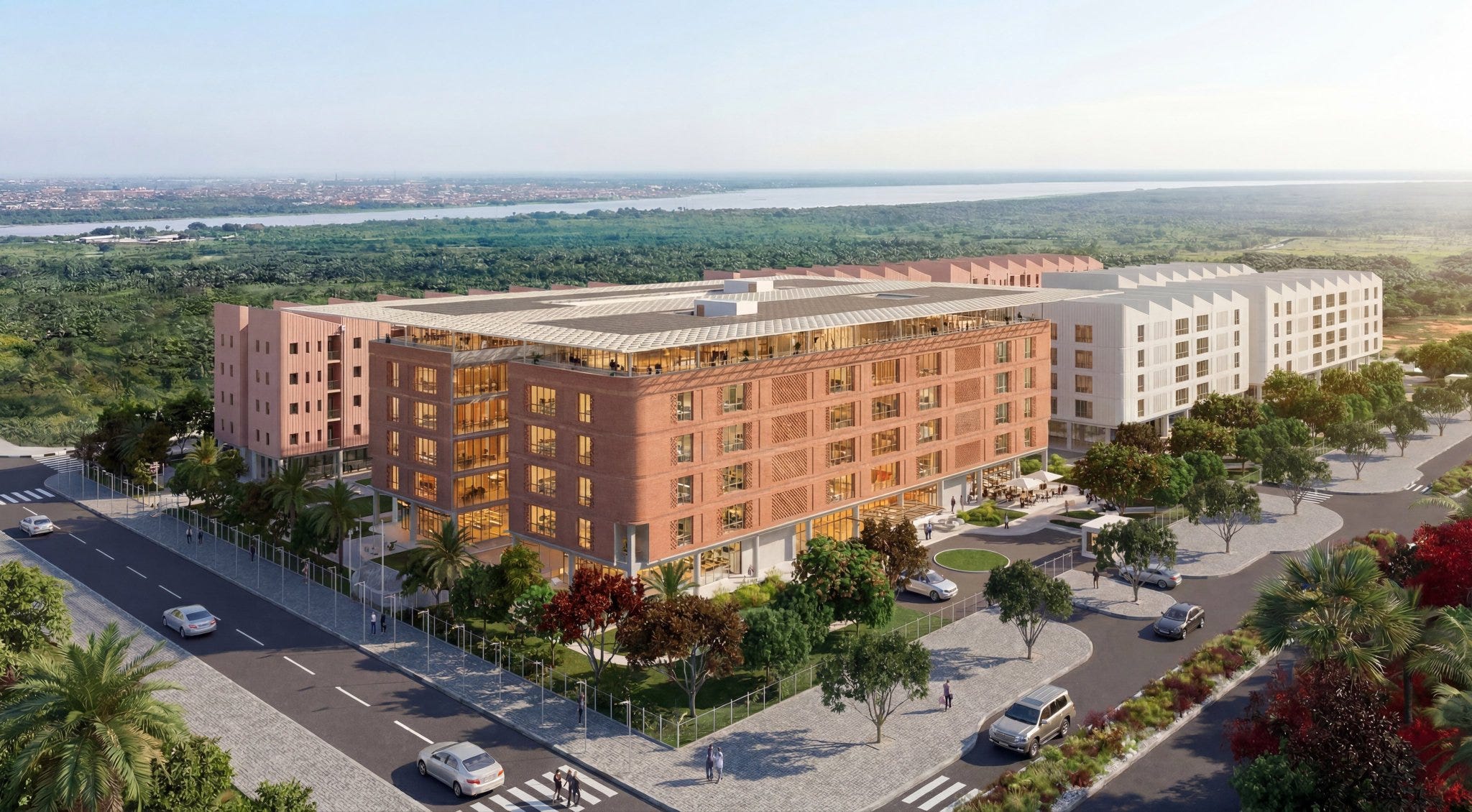
Nigeria has set a 180-day plan to put its Digital Free Zones initiative into operation, starting with Itana in Lagos. The aim is to make it easier for digital companies to set up in Nigeria, hire across borders and serve customers from there.
Itana was already on the country’s free-zone register. The new step is getting the pieces around a company—registration, banking, tax, immigration and dispute resolution—to work together in practice.
Singapore tests earthmoving machines that work from assigned tasks
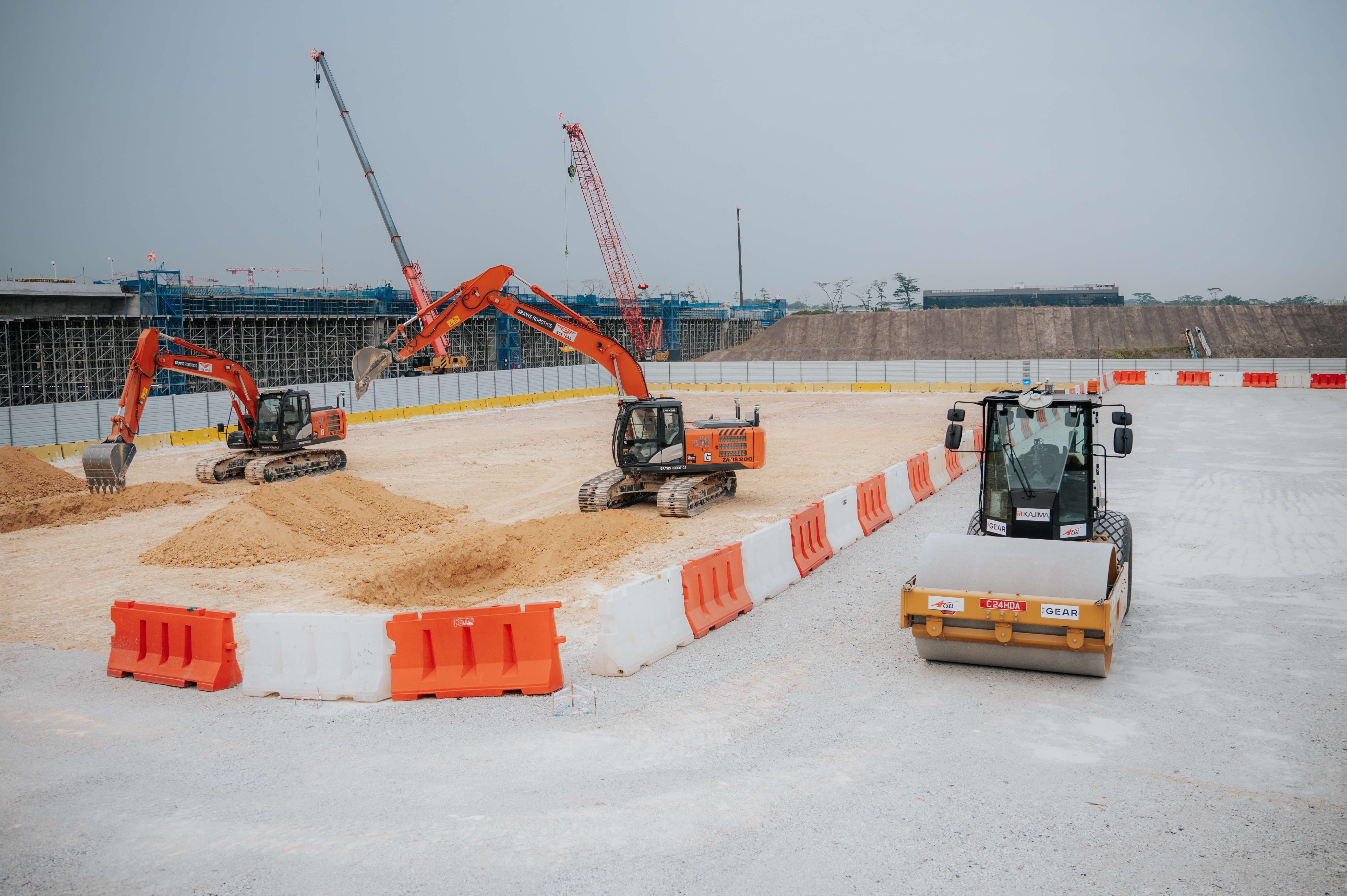
In a Singapore test yard, a person gives an excavator and a compactor a job and marks where they can work. The machines plan their movements inside that area while the operator watches from a distance.
The pilot is testing whether one person can supervise two machines at once. It is still a test, but it shows a practical form of construction automation: giving heavy equipment a bounded task instead of driving every movement by hand.
🧬 Frontier Health
A brain implant helps Terry join conversations again
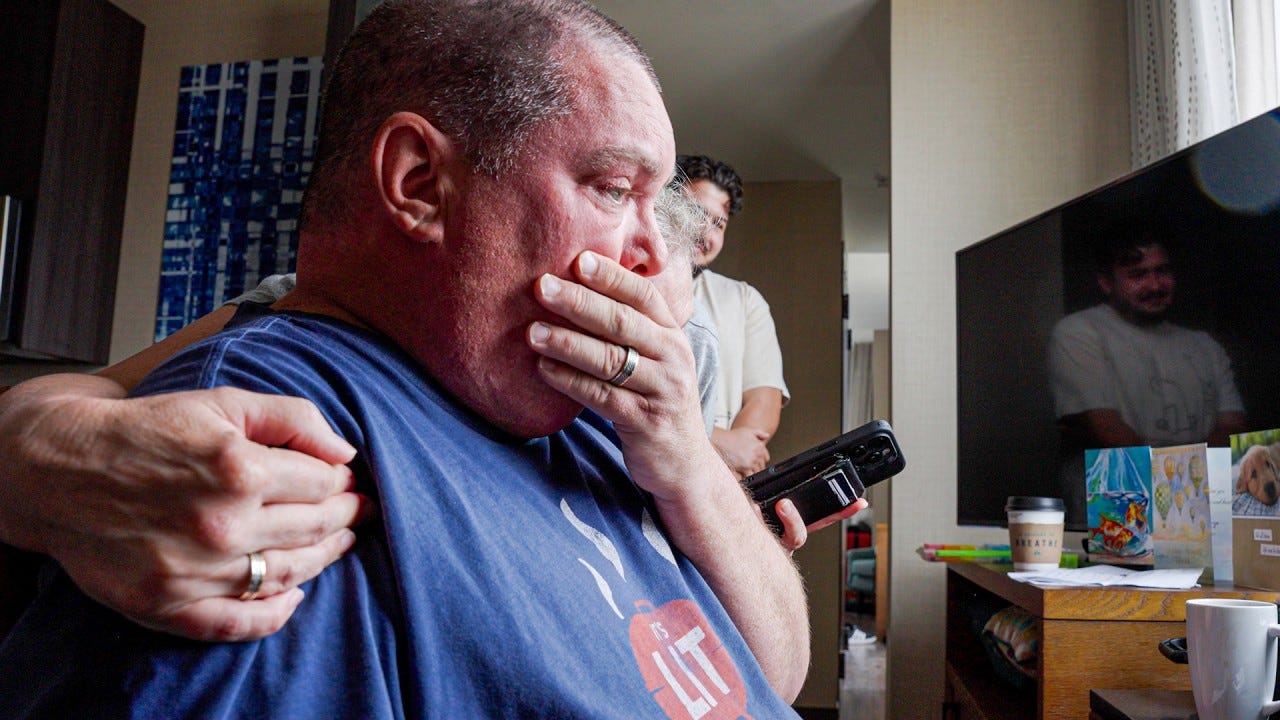
Terry has ALS, and being understood in conversation has become difficult. In a Neuralink demonstration, he uses a brain implant to turn the words he intends to say into speech in a computerized version of his own voice.
His wife says they can talk again without her having to guess what he means. The implant is still in an early trial, but the goal is easy to understand: give someone back a place in everyday conversation.
🎓 Frontier Education
A family uses AI to build lessons around its children

Mrugesha and Kartik Sathappan use AI to make little phonics, maths and science games for their homeschooled children. The lessons are short, then the children move on to projects, outings and time with other families.
What makes the story interesting is how quickly the parents can turn a child’s question into something the children can play with and learn from. It is one family’s approach, but it shows a useful role for AI at home.
Aristotle opens a voice tutor after a student beta

Aristotle is opening its voice-based AI tutor to teenagers in the US after testing it with more than 1,000 students. Instead of handing over an answer, it asks questions and remembers what a student worked on in earlier sessions.
The company says students spent more than 1,500 hours using it during the beta. The everyday use case is simple: a teenager gets stuck on a problem after school and has someone—or something—to talk it through with.
🏗️ Frontier Infrastructure
A Ghana village gets classrooms, teacher homes and solar power

In a village in Ghana, a project featured in MrBeast’s new film has built ten classrooms and ten homes for teachers. It also added water and solar power, alongside drainage, a market and farm facilities. Partners have committed support for school meals.
The teacher homes are the detail that makes this more than a new school building. A classroom needs teachers who can live nearby, water people can use every day and electricity that works. The project tries to solve those pieces together.
Moving walkways make a hillside clinic easier to reach
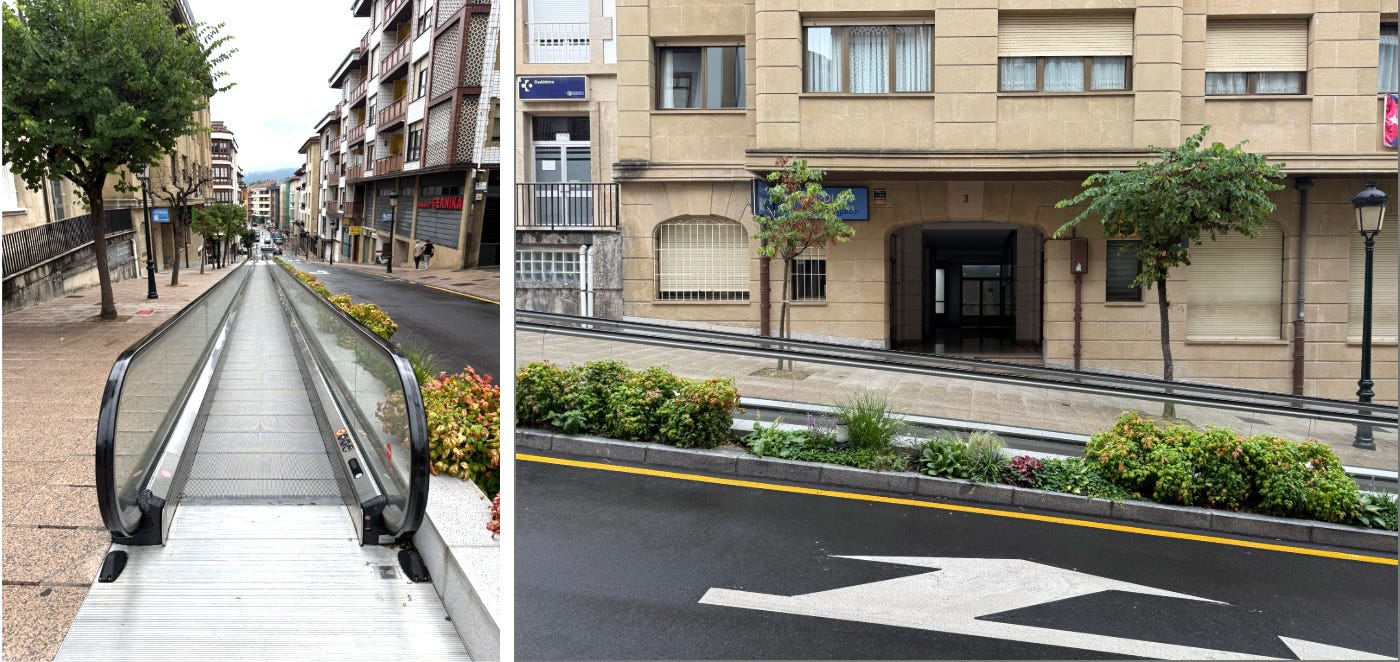
An existing moving walkway in Gernika, Spain, takes people up a steep street toward a clinic. It is 48 metres long and climbs six metres—a small piece of infrastructure that makes a routine appointment easier for someone who struggles with the hill.
Ryan Puzycki’s visit is a reminder that accessibility does not always require a big new transit project. Sometimes a short connection is enough to help people keep using the places already around them.
📰 Frontier Media
Students use recordings and WhatsApp to build an investigation

Former students of a boarding school in Lombok used WhatsApp, notes and recorded calls to document allegations of sexual abuse by their former head teacher. BBC Eye follows how they compared accounts and worked with a lawyer to organize a complaint.
The case remains unresolved, and the school’s umbrella organization denies a cover-up. The investigation shows how ordinary tools can help people preserve what happened when it is hard to be heard.
🔎 Worth reading
A film about bringing power and clean water closer
Grab visits teams in Southeast Asia turning farm waste into biochar, building small hydro plants and bringing drinking water closer to villages. A useful look at the work behind local infrastructure.
A cancer self-experiment, carefully explained
Virologist Beata Halassy tried cancer-targeting viruses on her own recurrent breast cancer. Kurzgesagt explains the experiment and its limits: she also had surgery and targeted therapy, so the result cannot be pinned on the viruses alone.
Can banks use public chains without policing the whole network?
Rebecca Rettig makes the case that banks can build on public blockchains while handling compliance in the apps they run, not by controlling every transaction on the network. A useful way to think about where responsibility belongs.
What could an automation tax accomplish?
If robots and AI do more work, should some of that gain be taxed? Alessandro Crimi looks at the idea and the surprisingly hard question underneath it: what exactly counts as automation?
What two years of clean-power growth changed in India
India added enough clean electricity over two years to cover the growth in power demand, Carbon Brief finds. Power-sector emissions were roughly flat over that period, even as the country’s overall emissions kept rising.
A visual guide to the data a nature model would need
An interactive map of the observations a model of nature would need, from species records to measurements of Earth. Ryan Orbuch makes the scale of the idea visible.
A local database for encrypted collaboration
Any is a developer preview of a database designed for offline work and encrypted device-to-device syncing. Edits made on different devices can merge when they reconnect. The code is open, but the tool is still experimental.
Fifty paths into the web’s maps, science tools and archives
Fifty rabbit holes for a spare afternoon: live radio, weather maps, science simulations and museum archives. Liam Holt’s collection is a reminder that the web can still feel like a place to explore.
📅 Events
Sep 24, 2026 · São Paulo BitDevs #048 · São Paulo · Casa21 / Vinteum · 18:30–22:00 BRT · An open technical discussion of Bitcoin, Lightning, research and open-source proposals. All levels are welcome; RSVP is available and the page does not list a price.
Sep 26, 2026 · Devin Community Meetup · Rio de Janeiro · FIAP Botafogo · 08:30–12:00 BRT · Build local projects with AI coding tools. The detailed talk schedule is still to be announced; registration is free.
Sep 27, 2026 · LexHack 2026 · Online · Submission deadline 18:00 BRT · Student teams build legal, civic and AI-safety tools and submit a working project with a short demo. Applications are open; teams can have up to four members.
Oct 9, 2026 · Network State Conference · Singapore and online · 09:00–20:00 SGT · A day of talks and meetings for people building startup societies and new jurisdictions. In-person tickets are US$99; remote access is free.
Oct 14, 2026 · Claude for HR Meetup · São Paulo · 13:00–16:30 BRT · HR practitioners share applications of Claude, including community demonstrations. Host approval is required and priority goes to practicing HR staff.
Oct 17, 2026 · Rails Girls São Paulo · Pinheiros · 09:00–19:00 BRT · A free beginner-friendly Rails workshop for women, trans and nonbinary participants, with mentors and online preparation.
Come build at the frontier. Join the Ipê community on WhatsApp.